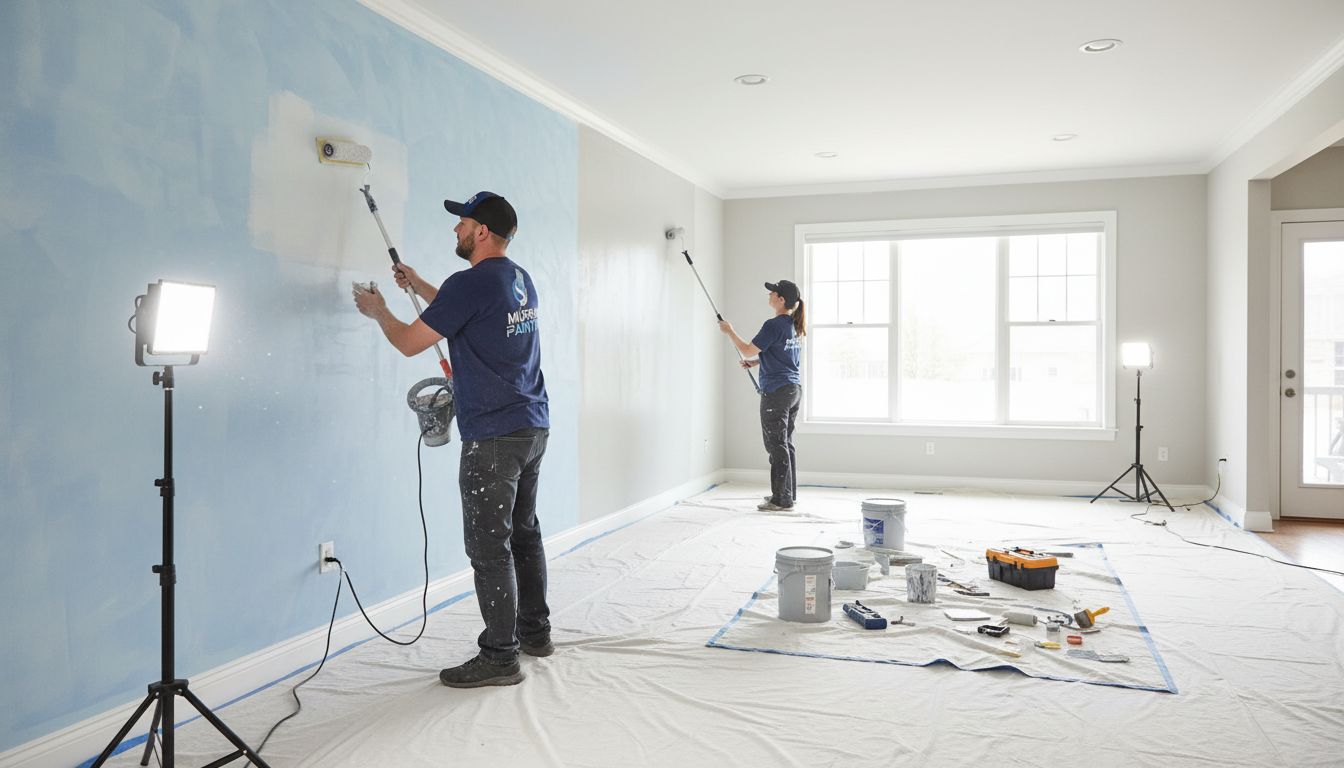

Contractor selection is a key aspect of ensuring your painting project meets your expectations. You want to choose a contractor who not only delivers quality work but also understands your specific needs. Look for a contractor with strong references and a proven track record of timely completion. Verify their insurance and licenses to protect yourself from potential liability. A thorough understanding of the details can help you avoid common pitfalls and ultimately lead to a successful, satisfying outcome for your painting project.
Key Takeaways:
- Research potential contractors thoroughly, checking their credentials, reviews, and portfolios.
- Obtain detailed written estimates and ensure they cover the scope of work, materials, and timeline.
- Communicate openly about your project expectations and ask about their process and prep work.
Dissecting the Costs: What Influences Painting Contractor Pricing
Understanding the factors that influence the pricing of Glen Allen painting contractors is important for effective budgeting and decision-making. Costs can vary significantly based on several elements including labor rates, materials used, and project complexity. Analyzing these components will help you gauge what to expect and ensure you receive fair pricing from your chosen contractor.
Labor Rates in Your Region
Labor rates for painting contractors often reflect the cost of living in your area. Regions with higher demand for skilled labor typically see higher rates. For instance, metropolitan areas might range from $25 to $50 per hour, while rural regions could be as low as $15 to $30. It’s wise to compare several estimates to ensure you’re paying a competitive rate.
Materials and Their Impact on Overall Costs
The type and quality of materials you select directly influence your overall painting project costs. High-quality paint, specialized primers, or eco-friendly products will increase your expenses, while cheaper alternatives can save money upfront but may require more frequent repainting. Investing in premium materials often leads to better durability and finish.
For example, premium-grade paint can cost $50 to $100 per gallon, while lower-end options might be as inexpensive as $15 to $30. Considering that a typical room requires several gallons of paint, the costs can add up quickly. Additionally, advanced materials like stain-blocking primers may prevent future maintenance costs, making them a wise choice despite higher initial expenditures. Ultimately, prioritizing quality helps you achieve a long-lasting, professional finish while managing your budget effectively.
Credentials that Matter: Verifying Your Prospective Contractors
Verifying the credentials of a painting contractor can prevent potential pitfalls and ensure you select a qualified professional. Look for licenses, certifications, and customer reviews to assess their credibility. A reputable contractor should be willing to provide references and examples of their past projects, giving you an insight into their quality of work and professionalism.
Licensing and Insurance Essentials
Always verify that your contractor holds the proper licenses required by your state or local regulations. Additionally, check that they have liability insurance to protect you from any damages that may arise during the job. Proof of workers’ compensation insurance is also critical to avoid potential liability for any injuries that occur on your property.
Evaluating Experience and Specialization
Experience can significantly impact the quality of the work you receive. Look for contractors who have been in business for several years and have completed projects similar to yours. Specialization can indicate a contractor’s proficiency in specific types of painting, such as residential, commercial, or specialized finishes. Ask about their portfolios, and don’t hesitate to inquire about challenging projects they’ve successfully completed.
For instance, if you are considering a high-end finish like decorative painting or faux finishes, ensure the contractor has specific experience with those techniques. Contractors who have worked on various projects can offer insights into different products and techniques that might suit your needs better. Requesting case studies or photographic evidence of their work can further establish their expertise in the area you require.
Escaping the Bad Paint Job: Red Flags to Watch Out For
Avoiding a bad paint job requires vigilance at every step. You need to be aware of warning signs and potential pitfalls that can lead to an unsatisfactory experience. Recognizing these red flags early can save you time, money, and frustration, ensuring your home receives the quality treatment it deserves.
Warning Signs During Communication
Poor communication can indicate a painting contractor’s lack of professionalism. If you encounter delayed responses to your inquiries, vague answers to your questions, or unfulfilled promises to follow up, these are strong indicators that the contractor may not prioritize your project. Reliable contractors will keep you informed and engaged throughout the process.
Potential Pitfalls in Contracts and Estimates
Scrutinizing contracts and estimates is important to protecting your investment. A painting contractor with a vague or incomplete estimate may be hiding costs that will surface later, leading to unexpected expenses. Contracts lacking specifics about materials, timelines, or scope of work leave room for misunderstandings or shoddy performance. Compare multiple bids and ensure each estimate details labor, materials, and additional fees for transparency.
Detailed estimates and contracts outline the obligations of both parties, minimizing the risk of hidden charges. Ensure that your contract specifies material brands, quantities, and a *clear timeline*. For example, a high-quality paint brand stipulated in the contract not only assures you of performance but also sets expectations on longevity and finish. An estimate should also include site preparation methods, clean-up measures, and any potential additional work, such as repairs to surfaces prior to painting. This level of transparency empowers you to compare multiple bids with confidence, fostering communication and trust between you and your contractor.
Crafting a Collaborative Relationship: What to Expect from Your Contractor
Establishing a collaborative relationship with your painting contractor sets the foundation for a successful project. You’ll want to engage in discussions about your vision, get their expert insights, and ensure that both of you are aligned throughout the process. Building trust and rapport facilitates effective problem-solving and enhances overall satisfaction with the final results.
Setting Clear Expectations and Milestones
Defining clear expectations and milestones is necessary for a smooth project. Discuss timelines, specific deliverables, and quality standards upfront. By establishing these parameters, you create a roadmap that both you and the contractor can follow, minimizing misunderstandings or delays. Frequent updates will keep alignment and ensure progress meets your specifications.
Open Communication Channels for Success
Effective communication makes a significant difference in any partnership. Set up open channels for dialogue, whether through regular check-ins, emails, or project management apps. Your contractor should be readily available to address concerns and adapt to any changes you may require during the painting process.
Maintaining open communication channels ensures that any issues are addressed promptly and that both you and the contractor are aware of the project’s current status. For instance, using project management tools allows you to track progress, share feedback, and highlight any necessary adjustments in real-time. When you feel comfortable reaching out and expressing your thoughts, the collaborative relationship flourishes, leading to a more successful and satisfying outcome for your painting project.
Reading Between the Lines: Gathering and Analyzing Reviews
Gathering and analyzing reviews serves as a powerful tool in your contractor selection process. A comprehensive understanding of others’ experiences offers insights that go beyond marketing claims. Look for patterns in feedback regarding communication, punctuality, and quality of work. Positive testimonials can highlight contractors who excel, while consistent complaints can help you avoid potential pitfalls.
Useful Platforms for Contractor Research
Consider using platforms like Yelp, Angie’s List, and Google Reviews to gather diverse opinions on contractors. Each platform showcases a range of feedback from previous clients, offering a balanced view. Social media sites such as Facebook can also provide insightful commentary from local community members, adding valuable context to your research.
Discerning Authentic Reviews from Overly Biased Feedback
Identifying authentic reviews involves examining the language and details provided. Look for reviews that discuss specific experiences rather than vague praises. Genuine feedback often includes mentions of particular services rendered, timelines, and overall satisfaction levels. Be cautious of reviews that seem overly positive or negative, as they may lack credibility.
Authentic reviews typically contain concrete details about your contractor’s performance. For instance, a review stating, “The team finished ahead of schedule and the color matching was perfect” provides clarity on the service quality. In contrast, overly generic feedback, such as “This company is the best!” lacks depth and specificity, raising red flags. Focus on those that discuss both strengths and weaknesses, as balanced perspectives often reveal the most reliable information.
To wrap up
With these considerations, you are now equipped to choose the right painting contractor for your project. Assess their qualifications, review past work, and seek transparency in pricing and contracts. By prioritizing your needs and expectations, you can ensure a successful collaboration that enhances your space. Take your time in making this decision to achieve the best results for your painting project.
FAQ
Q: How do I find a reliable painting contractor?
A: Research local contractors, read reviews, ask for recommendations from friends or family, and verify their credentials such as licenses and insurance.
Q: What should I ask a painting contractor before hiring?
A: Inquire about their experience, references from previous clients, project timelines, warranty policies, and if they provide written estimates.
Q: How can I ensure the contractor uses quality materials?
A: Discuss the types of paints and primers they plan to use, ask about brands, and check if they offer different options for durability and finish.
Q: What factors affect the cost of painting services?
A: Factors include the size of the area to be painted, the complexity of the job, the quality of materials chosen, and the contractor’s level of experience.
Q: Should I get multiple quotes from different contractors?
A: Yes, obtaining multiple quotes allows you to compare prices, services offered, and contractor qualifications to make an informed decision.
Q: How long should a typical painting project take?
A: The duration depends on the project size, condition of surfaces, and weather; most residential jobs may take from a few days to a couple of weeks.
Q: What are the signs of a good painting contractor?
A: Look for clear communication, professionalism, a comprehensive written contract, positive customer feedback, and a willingness to answer questions thoroughly.